DO LIXÃO NASCE FLOR
ENTRE O CINEMA DE QUEBRADA E “O RAP DA VILA RIO”
DOI:
https://doi.org/10.34024/hydra.2024.v8.19496Keywords:
Cinema de Quebrada; Hip Hop; Walter Benjamin;Abstract
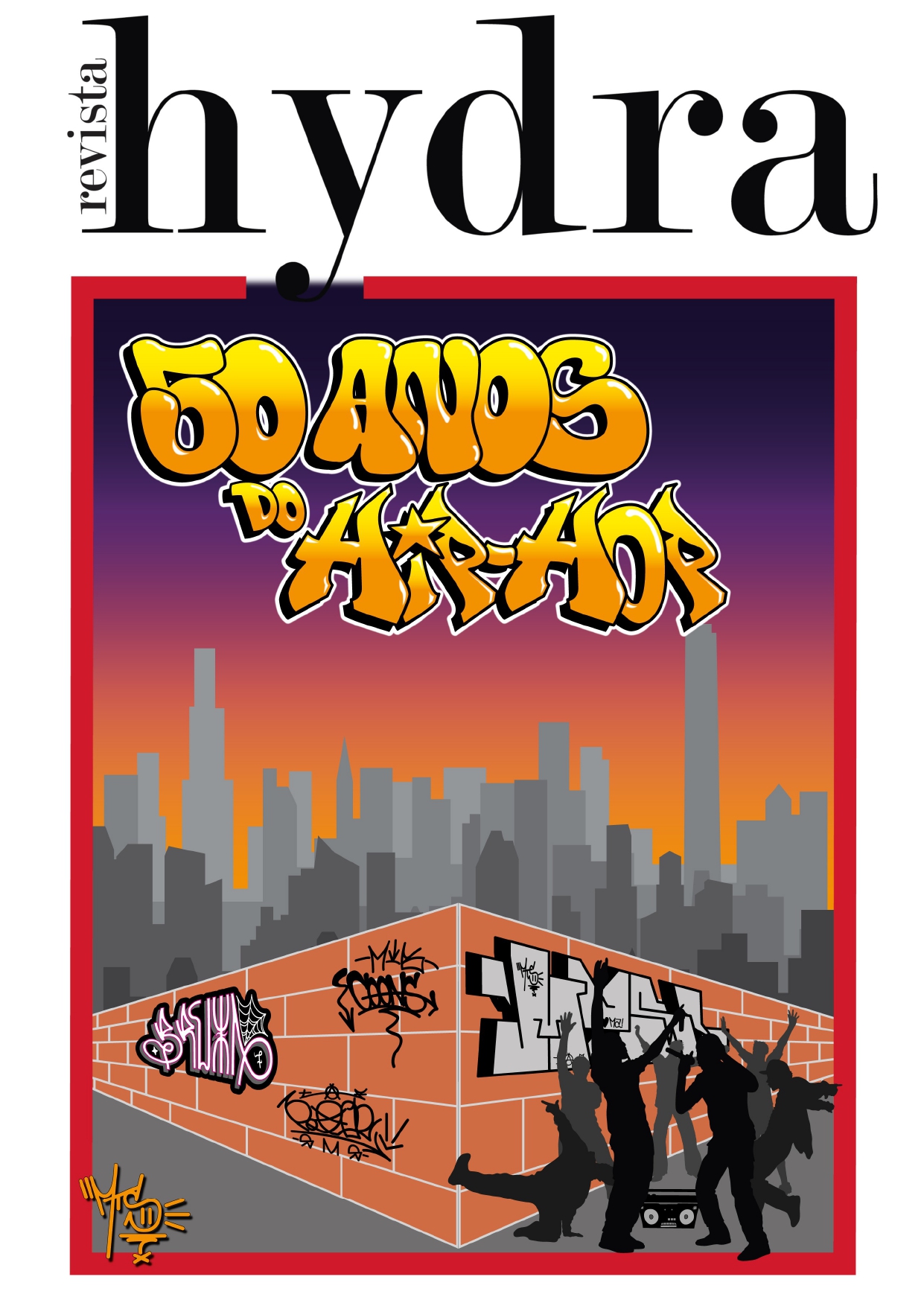
In official documents, monuments, textbooks, holidays and civic celebrations, the protagonists of History are present, whether from a city, a country, a continent or an entire era. But where is the record of those anonymous, invisible and apparently unimportant, as Bertolt Brecht told us, who built the Chinese wall, the pyramids of Egypt, the achievements worthy of being remembered and admired collectively? Based on the work of Walter Benjamin and peripheral cinema – that is, cinema made on the periphery of capitalism – this project seeks to investigate and reconstitute part of the memory of the oppressed based on their own narratives, images and places of origin. According to Benjamin, the materialist historian must do archaeological work with what happened, pick up the pieces and remember the dead to recognize and redeem them. In Brazil in the 21st century, driven by social and technological changes, filmmakers living in peripheral regions have made films not only about, but mainly in the communities where they live and work. Many of these films address Hip Hop culture, reflecting its memory in the construction of a counter-story.
References
ADERALDO, Guilhermo André, Reinventando a Cidade: uma etnografia das lutas simbólicas entre coletivos culturais vídeo-ativistas nas periferias de São Paulo. São Paulo: Annablume. 2017.
ANDRADE, D. N. Cinema Novo e Cinema de Quebrada: a experiência da Companhia Bueiro Aberto. Dissertação (Mestrado) em História da Arte - Universidade Federal de São Paulo, Guarulhos, SP, 2021.
BENJAMIN, Walter, Magia e técnica, arte e política: ensaios sobre literatura e história da cultura. São Paulo: Brasiliense, 1994.
GAGNEBIN, Jeanne-Marie. Walter Benjamin: os cacos da história. São Paulo: n-1 edições, 2018.
KOPENAWA, ALBERT, BRUCE, DAVI, A queda do céu, palavra de um xamã Yanomami. São Paulo: Companhia das Letras, 2015.