The reception of Ancient Mesopotamia in the cinema
A journey through the universe of writing in motion and its artistic-litterary ancestors
DOI:
https://doi.org/10.34024/herodoto.2019.v4.10962Keywords:
Movies, Babylon, Assyria, Sardanapalus, Babel TowerAbstract
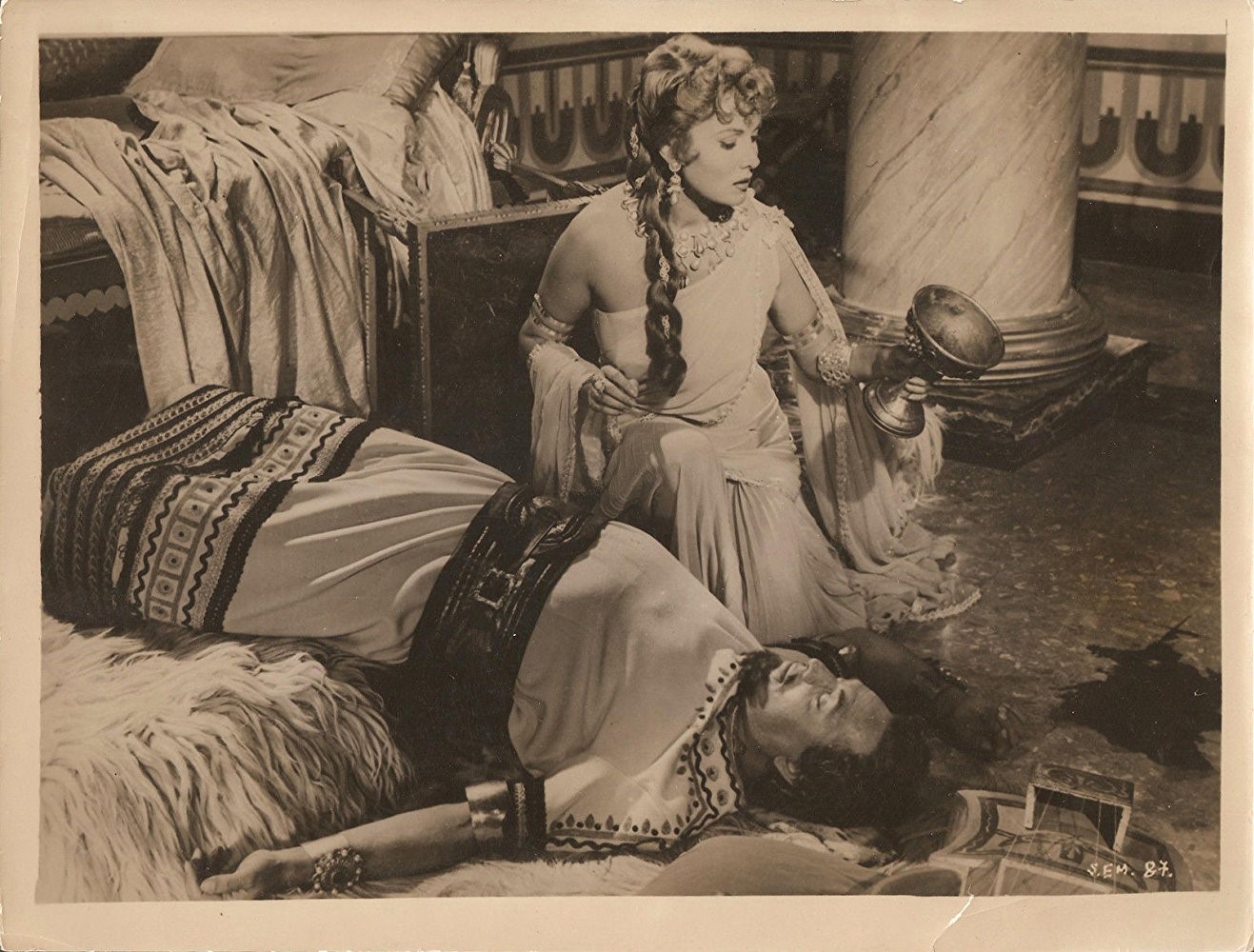
This brief study intends to analyse the way Mesopotamia was received in 20th century North-American and European cinema, having in mind its multiple artistic and literary influences. Through short and feature films produced essentially in the decades of 1910. 1920, 1950, and 1960, important characters and episodes associated to ancient Babylonia and Assyria will be carefully analysed. This study will have in mind the fact that cinema is not strange to other forms of visual and literary expression, collecting from these different elements. Amongst such influences are paintings by Pieter Bruegel, Gustave Doré or John Martin, and literary compositions by Voltaire, Pietro Metastasio or Lord Byron. On the other side, cinema was also dependent from its own socio-political context, being the movies produced intimately connected with its own social and ideological contours. This are the aspects we propose to analyse here.
Downloads
Downloads
Published
Issue
Section
License
Authors retain copyright and grant the journal the right of first publication.
The works are licensed under the Creative Commons Attribution 4.0 International License (CC BY 4.0), which permits unrestricted use, distribution, and reproduction in any medium, including for commercial purposes, provided proper attribution is given.
Full license text: https://creativecommons.org/licenses/by/4.0/